How to Tell If a Tree in Your Yard Is Dangerous
Trees add beauty and shade to your property, but there are times when they might pose a hazard. Identifying when a tree requires immediate attention is crucial for safety. Certain signs can indicate the need for professional intervention, such as weak branches or root problems. Recognizing these warning signals helps prevent accidents and maintains the health of your landscape. Understanding common indicators ensures your yard remains safe and attractive.
Visible Damage to the Trunk
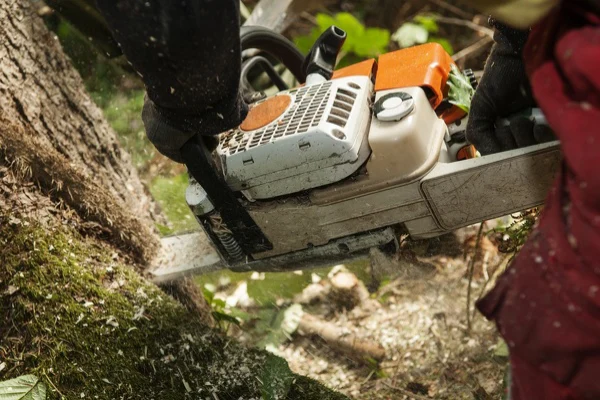
If the trunk has deep cracks or holes, it may signify that the tree is unhealthy. These damages often lead to structural weaknesses, making the tree susceptible to breaking or falling. Such instances require urgent attention from experts like those offering tree removal service. Ignoring these signs could result in costly damage to property or injury to individuals.
Unstable Leaning Trees
A leaning tree isn’t always a concern, but if it’s leaning more than 15 degrees, it might be unstable. This condition sometimes results from root damage or poor soil conditions. Addressing this issue with a professional tree removal service can help avert potential disasters. Experts can assess whether the tree poses an immediate risk and recommend appropriate actions.
Root Problems
The roots of a tree play a vital role in its stability. If you notice exposed roots or soil erosion around them, the tree might not be securely anchored. Additionally, fungal growth at the base can indicate decay. Trees with compromised roots are more likely to fall during storms, making them candidates for removal by specialists.
Dead or Falling Branches
When branches start falling unexpectedly or appear dead, it suggests that the tree is under stress. This stress might stem from disease, pests, or lack of nutrients. Regular inspection for brittle branches can prevent accidents. Seeking advice from professionals can determine whether trimming or complete removal is necessary.
Mushroom Growth on the Tree
The presence of mushrooms or fungi on a tree usually indicates internal rot. While some fungi are harmless, others signal severe decay within the tree structure. A tree with significant internal damage is weaker and more prone to collapse, especially during adverse weather conditions. Consulting arborists for evaluation can ensure safety and proper management.
Pest Infestation Signs
Insects and other pests can cause irreversible harm to trees. Wood-boring insects create tunnels that weaken the wood, while certain beetles spread diseases. Visible pest infestation warrants prompt examination and treatment by experts who understand how to manage these threats effectively without delay.
- Look for small holes in the bark
- Check for sawdust-like material (frass) around the base
- Notice any unusual leaf shedding
Prevention Tips and Best Practices
Regular maintenance helps keep trees healthy and minimizes risks. Start by scheduling periodic inspections by certified arborists who can spot early signs of trouble. Implement proper watering and fertilization practices tailored to each tree species’ needs. Ensuring trees have sufficient support with cabling systems may also improve their longevity.
- Schedule regular professional check-ups
- Use mulch to retain soil moisture
- Prune dead branches annually
- Avoid excessive soil compaction around roots
Assessing Costs and Value
The cost of removing a tree depends on factors like size, location, and complexity of the removal process. Although costs vary, investing in removal services prevents higher expenses related to property damage repairs or personal injuries. Remember that keeping your landscape safe adds considerable value to your home.
Your Safety Matters Most
Protecting your property and loved ones should always be a priority. At De Leon Tree Service LLC, we offer expert assistance for assessing and managing hazardous trees. Our team is based in Austell, GA and ready to provide reliable solutions. Contact us today at (678) 978-7068 for comprehensive care and peace of mind regarding your outdoor spaces.